
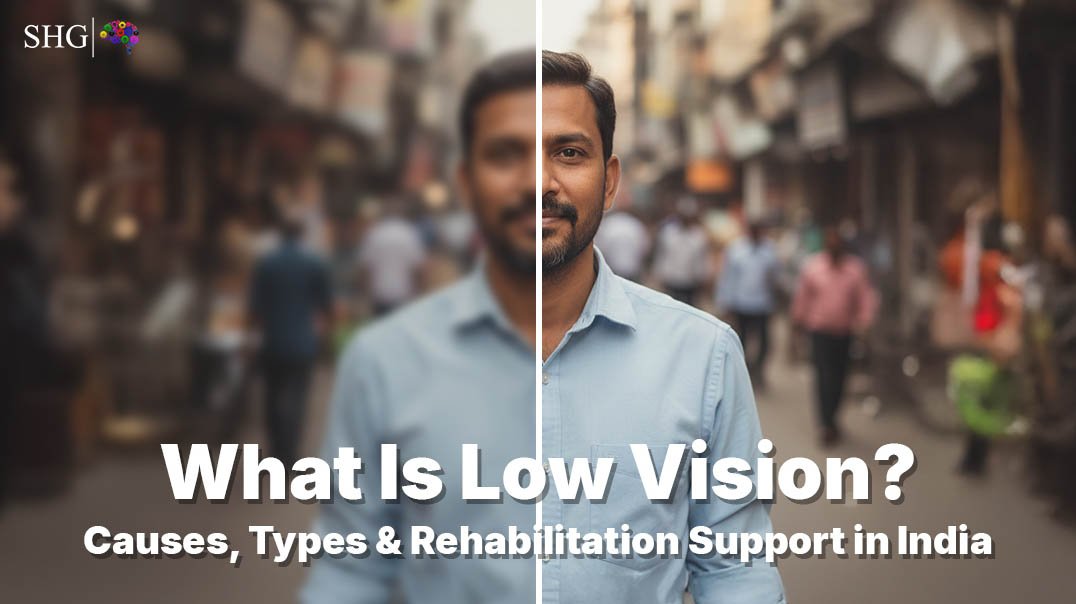
Low vision is a condition in which eyesight cannot be fully corrected with regular spectacles, contact lenses, or surgery. It does not mean complete blindness.
Low vision refers to reduced visual ability that affects daily activities such as reading, recognising faces, watching television, or navigating safely. With proper low vision rehabilitation and assistive devices, individuals can continue to live independent and productive lives.
Low vision affects millions of people worldwide and is increasingly common among older adults and individuals with retinal conditions. Unlike temporary vision problems, low vision is usually long-term and requires structured rehabilitation support.
Common signs of low vision include:
If these symptoms persist, a clinical low vision assessment is recommended.
Low vision can be categorized based on how it affects the visual field.
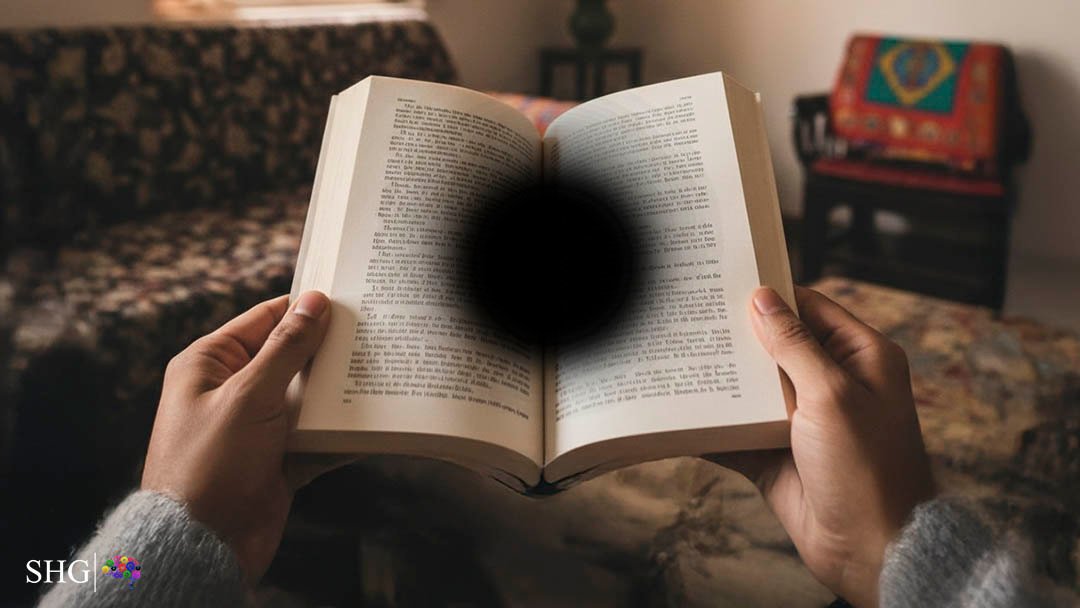
Central vision loss affects the ability to see details directly in front of you.
Individuals may experience:
Common causes include:
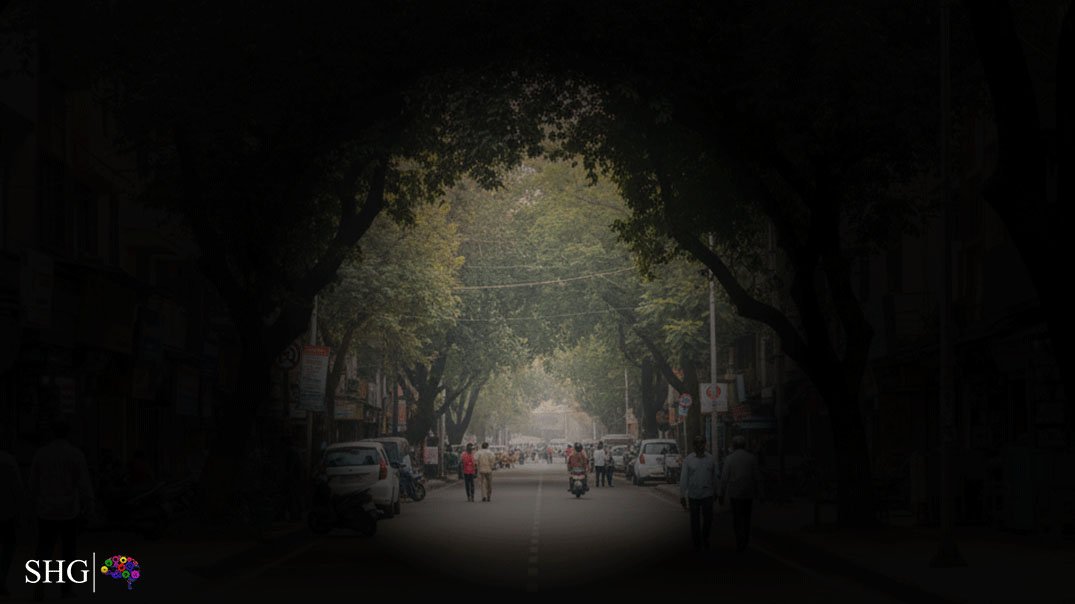
Peripheral vision loss reduces side vision and can create "tunnel vision".
Individuals may experience:
Common causes include:

Blurred or foggy vision reduces clarity and sharpness.
Common causes include:

Some individuals experience extreme sensitivity to light or difficulty distinguishing objects from their background.
Common causes include:
Low vision rehabilitation focuses on maximizing remaining vision and improving quality of life.
It may include:
With the right rehabilitation plan, individuals can regain confidence and independence.
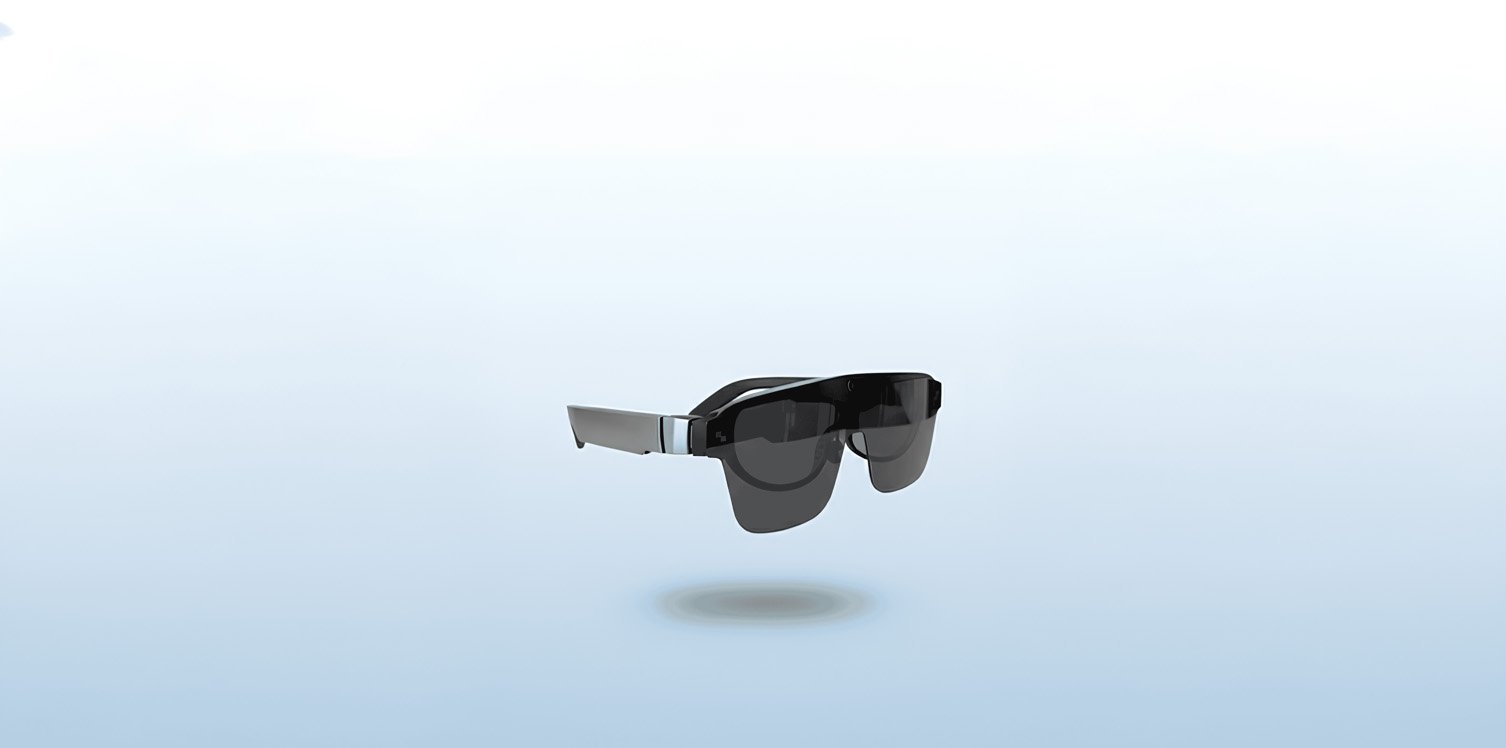
AURA Vision Glasses are designed as a vision enhancement device for individuals with low vision in India. They support users through:
These features help individuals perform: Distance Tasks
Intermediate Tasks
Near Tasks
Assistive technology does not cure low vision, it enhances remaining visual function and supports everyday independence
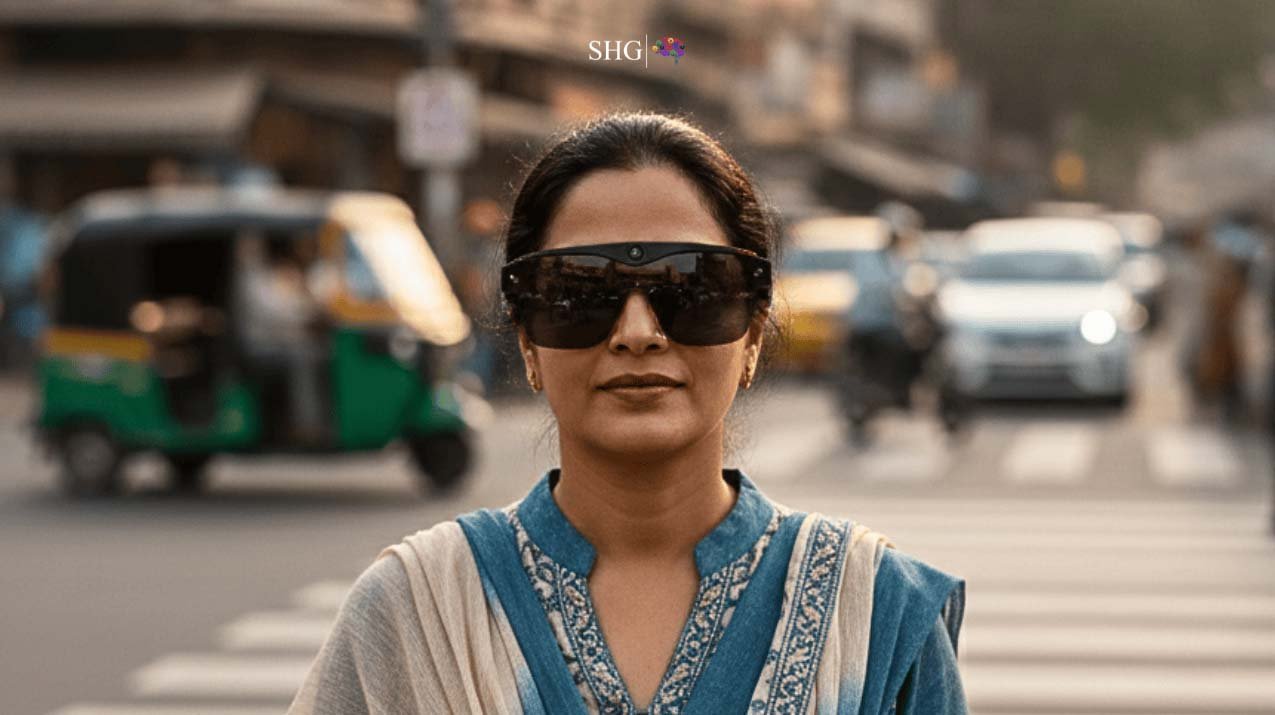
Low vision does not mean loss of independence.With proper clinical assessment, structured rehabilitation, and assistive technology support, individuals can continue to study, work, and engage socially.
If you or a family member is experiencing persistent vision challenges despite regular glasses, consider consulting a low vision specialist for evaluation.
Every eye deserves the chance to see its best.
Learn more about AURA Vision Glasses here: https://shgtechnologies.com/products/aura-vision-glasses